Overstretched the Reach

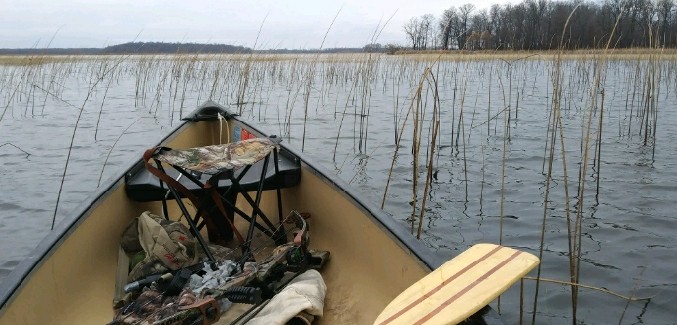
I wait through the long northern months for days like this, an early summer deer scout with my good buddy Matt.

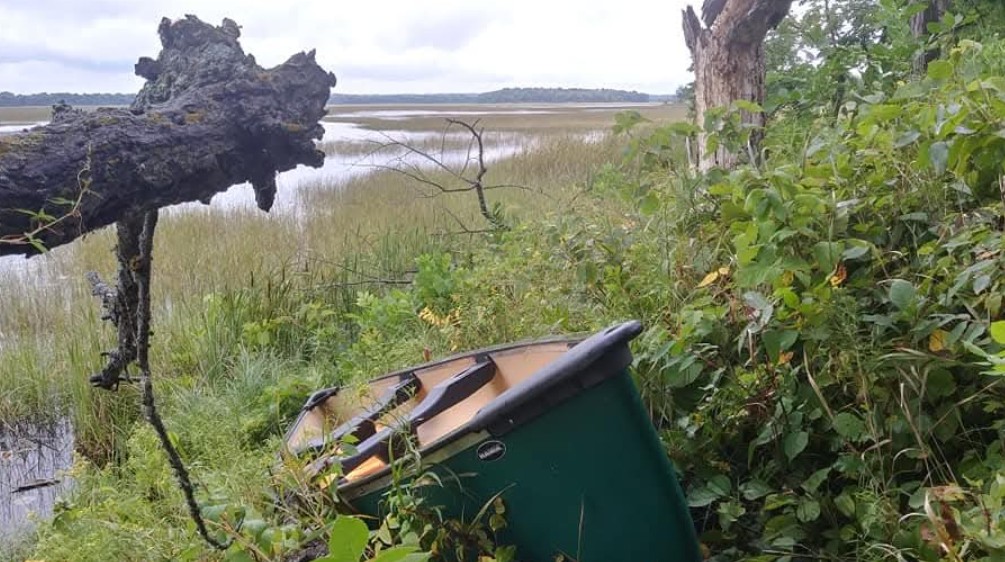
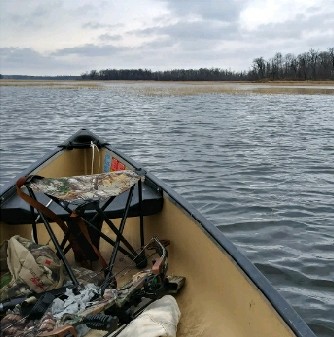
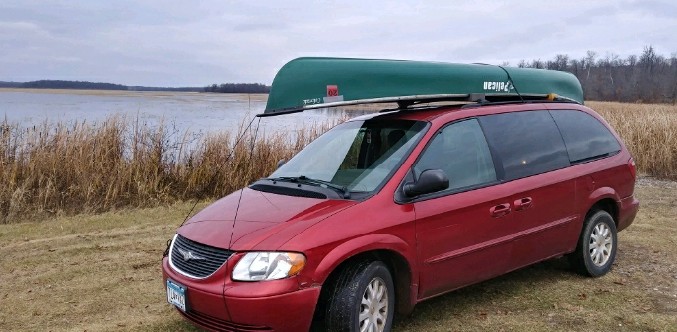
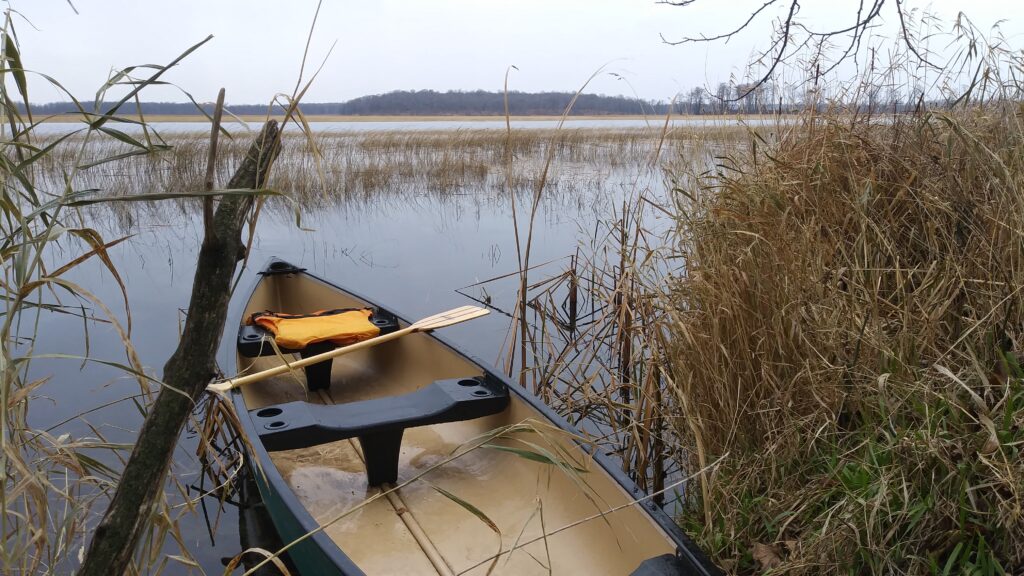
There were several canoe-in locations I wanted to hit so we loaded Matt’s Pelican and hit the road. The fresh coffee from our local stop was almost too hot for the touch but went down smooth as the pavement gave way to gravel in our favorite destination; the Tamarac National Wildlife Refuge. We were searching water access points for hunting habitat without busting through cover from the road.

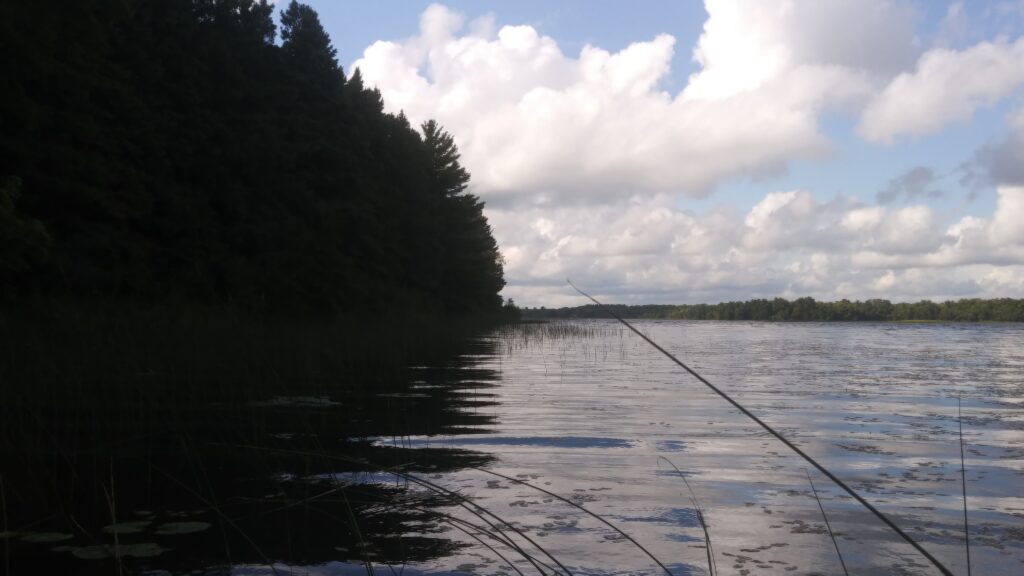
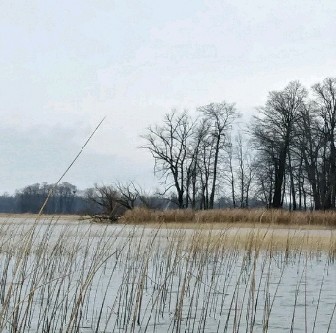
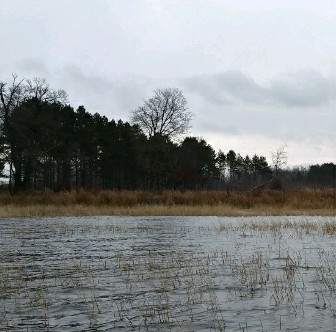
After a few miles Matt and I reached the Dike Road Access, turned onto the tightly wooded lane, and eased up to the boat landing of South Tamarac Lake. It’s an isolated destination on the south end of the Tamarac Refuge that offers a long view of undeveloped shoreline and patches of Wild Rice standing out of its watery seed-bed. A light south wind made for an easy paddle as we pointed the craft north, soaking in the morning warmth, nested geese, and shoreline dark green in the growth of summer foliage. If you can imagine a perfect Minnesota day, that was it, with clouds billowed up like cotton balls and patches of brilliant sky against the open wilderness setting.

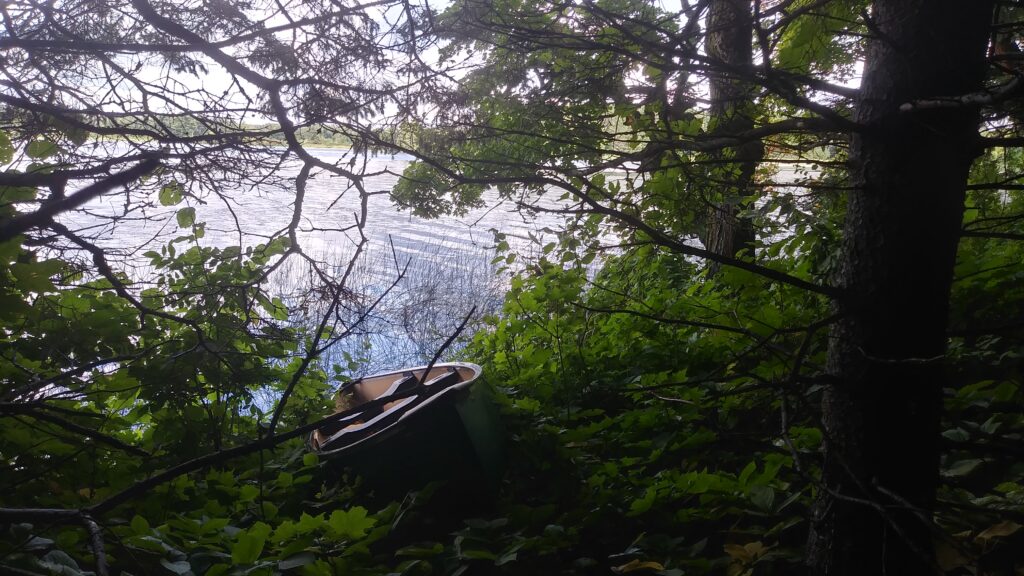
Our canoe pushed past cattails and grass at the first landfall and beached with a soft thud. Immediately, we discovered deer trails along the water line. A stand of pines and hardwoods dissipated into a natural meadow with clumps of willow to create a unique blend of transition lines and deer bedding. After an hour hike of exploring we brushed some ground blinds along the pushed up berm, heaved from many seasons of lake-ice harassing the beach, and enjoyed our packed lunch under a shady oak. Daydreaming about living here in the 1930’s, building a log cabin, and trapping for a living (something most people who love the outdoors envision) mesmerized us but we finally packed up for the next leg of the journey.

Matt worked his way to the rear of the craft and I settled into my front perch. I grabbed my paddle and pushed off the soft bottom just past the grass-lined beach. In a moment the world shifted into slow motion. I was locked into a certain outcome, frozen, suspended in time and space, and finally released into the cool drink. The lake rose and I was deluged by the still chilled waters of June. Matt however, was able to step off from his higher back seat and only sustain wet boots. I jumped up from twelve inches of muddied bottom like a drenched cat; muck, weeds, and water dripping from me like a Northern Pike that had just made one last desperate lunge to the bottom before being hauled up.

As I stood in disbelief, a hysterical laughter echoed through the air. Matthew, oblivious to my consternation was embroiled in the spectacle and feeling pleased, I am sure, that he escaped a similar fate. A sizable disagreement soon ensued as to who was at fault. A debate that is still, and will probably always be, unresolved.

Undaunted, with another locale in our sights, we reorganized and paddled on despite my grumbling and Matt’s laughing.

It was a half hour jaunt to the other side and the exercise quickly warmed me. On a grassy slope we sat and drained the water from our boots, I hung my shirt and hoody up to dry, and Matt still chortled with a wry grin whenever he glanced my way. I scowled back with an incredulous stare. . .

I felt like Tom Sawyer for the next leg of the adventure, walking in the warm afternoon sun, shirtless, so my garments would dry hanging on a tree-limb in the breeze. We had landed on a 200 acre island that was connected to the mainland with a thick low bog and exposed to the lake on three sides. It had a feel of Skull Island from the King Kong movie. Desolate and eerie, with a thick cover of ferns throughout most of the terrain under a canopy of mature hardwoods. The ground was laced with game-trails but any significant buck sign was unnoticed. After a long exploratory trek we arrived back at the canoe and my slightly dried gear.

The Sun lowered and cast long shadows, with the first hints of an amber glow behind the western wood. We pushed the Pelican though 150 yards of lilly pads, that served as a barrier to our Skull Island, before hitting open water and a direct line back to the Dike Road Boat Access. Reminiscing on the day’s events generated a lot of laughs, well timed verbal jabs, and the start of a never-ending debate about the tipping event.

To this day, a good natured contention will still arise as to who should carry the blame for my dunking. My claim is that Matt is suspect, being the aft observer, and overstretched the reach.

Matt disagrees.

Peace,


It’s Time to Start Writing

Patience is a virtue for the Whitetail hunter. Patience is also a virtue for the writer. For the last five years I have applied endurance to entering a new profession and my blog writing remained silent; I’ve been absent from the Whitetail Poet Diaries to become a Language Arts teacher.

It’s time to start writing.

The irony of stopping my web articles to become a writing educator is not lost on me but now, after almost six years of classroom work with Middle School and High School students, it’s time to get back to the discipline of pen and paper; keyboard and doc.

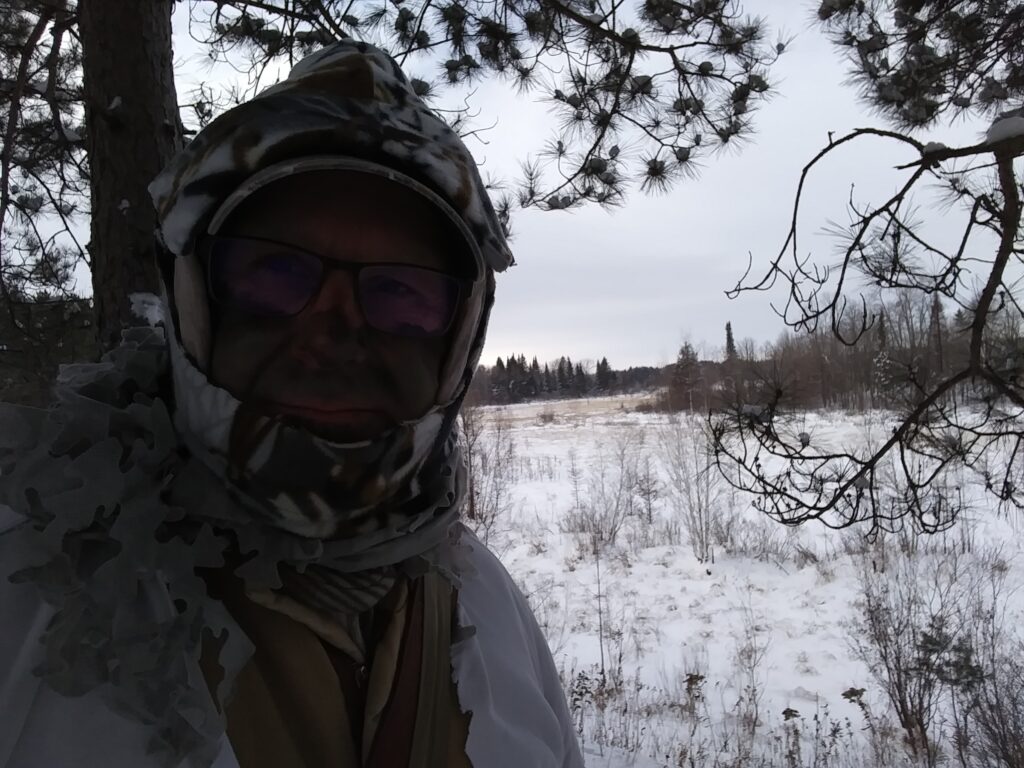
About three years into my bow hunting journey I picked up the mantle to teach. From 2015 to 2020 I forged my way through a Communication Arts & Literature degree at Minnesota State University Moorhead and then, jumped into my first classroom as Covid kicked off. Now, into my sixth season and second school, I’ve settled into my new life and discovered my stride as an educator.

I’m jumping back into blog writing with this short testimony to simply state my creative juices were squeezed out in the maelstrom and stress of juggling workload, classroom stress, and English content creation. Finding the energy to crunch out Whitetail Poet content seemed daunting. The page has turned, now I can manage my classroom responsibilities and return to blogging as an avenue of enjoyment.

It’s time to start writing.

The bow hunting connection was always present during my teaching transition. My passion for the big wilderness tracks of Northern Minnesota and chasing Ole Wooly with a bow and arrow were constant companions. In my first year of teaching I devoted six and a half days to my profession and reserved Sunday afternoons for the deer woods. Archery, scouting, hobby photography, and the bow season were a welcomed indulgence to my path to teaching tenure. My connection to bow hunting helped me stay leveled.

Bringing bow hunting interests to the classroom has helped me connect with many students as well. I enjoy telling, and listening, to hunting stories. In outdoor writing units I consider conservation pioneers like Sigurd F. Olson and in short story lessons many young writers used their deer stand experience as a backdrop for assignments.

One valuable lesson I learned while imparting writing skills to teens is patience. One vital attribute I developed while waiting for Whitetail opportunities is patience. One meaningful quality I allowed myself in this interim is patience. Patience with yourself is a great writer’s, hunter’s, and teacher’s asset. In my personnel writing craft I’ve had to allow myself the space to grow into this season. Sometimes a person does not always tag out in September but patience, and allowing the process to work, can position the hunter for success when the snow flies. Knowing yourself as a writer, and allowing the process to work, can also bring you into the right timing to produce meaningful content. Much like understanding the Whitetail, when to move, when to sit, and the exact right moment to release an arrow, the writer needs patience but also understanding to know when the time is right.

There was an old anonymous plaque hanging in the office hallway of our English department at Weld Hall on the MSUM campus that read something like, and I paraphrase, “Dreaming about writing is not writing, thinking about writing is not writing, and talking about writing is not writing. Writing is writing.”.

It’s time to start writing.

I want to thank some folks who have not given up on the Whitetail Poet dream through these transition years: Outdoor writer Edgar E. Castillo @ the.writers.blocc on Instagram took time to reach out, encourage me, offer support, and stay connected. My good buddy Matt who is my Whitetail Poet artist and co-conspirator, my lifelong friend Bill who shares many of my outdoor adventures, and lastly my amazing wife who believes in me, my dreams, is patient with my writing time, and stands with the financial cost of maintaining a website.

It’s time to start writing.

Peace,

Start Bow Hunting On A Budget

There are a variety ways to enter the sport of bow hunting and no one path is the correct path. Bow hunting is an individualized activity but wading through the mountains of material to find what works can be daunting. Finding your archery niche in all the options can also be a fun experience. In this post I hope to offer budget ideas to help the beginning bow hunter get started.

I did not come from a hunting family so I had no knowledge of pursuing game, but I was fortunate to spend summers at our little cottage in northern Minnesota. It was during that time I developed a deep appreciation for the outdoors. At the age of twenty I fell in with a group of back woods deer hunters and my Whitetail passion was born. Fast forward thirty years and the bow hunting bug bit hard. I’ve been bow hunting now for three full season’s and have learned some things about getting started along the way. I am guessing you already love the outdoors, and possibly are a rifle hunter like I was, or you would not be here. Regardless of where you are in the outdoor journey here’s some helpful tip’s to get set up.

Friends in the archery world are a big plus. Bow hunting friends can guide you, and whet your appetite for getting into the woods with a bow. Along with a friend, begin reading books, articles, and researching bow hunting on YouTube. Nothing can replace the real world experience of bow hunting relationships, but books and videos offer a treasure of knowledge to delve into. Good research will give you an understanding of the basics, what is available, and help formulate the type of hunting you are drawn towards.

What style do you want to shoot, Traditional or Compound Archery? A visit to your local archery shop will help determine what works for you. With the understanding that Traditional Bow shooting takes a long time to become proficient in, with my busy schedule and limited shooting time, I went the Compound route. Again, it’s your choice so don’t get caught up in what other people think or say on comment sections of YouTube. In the moment of truth it’s you with your weapon and the game being pursued, a very personal experience. Back to the archery shop. The staff at a pro shop will be happy to set you up with practice shots to get a feel for what you like. Once you’ve determined the bow that’s right for you, it’s time to buy.

You don’t have to break the bank on hunting equipment. The price of new bow’s can scare the average individual away but there are many good used bow’s that can be purchased privately or through retail outlets. I would say that 200.00 to 300.00 dollar’s should get you going with a competent rig. I may get chastised for this next statement, but using 5.00 dollar arrows from a local fleet store will be sufficient to start, and even kill a deer with. Remember, this is a budget blog post. I don’t want to take anything away from quality high end gear, but for now that can be a goal while you collect a workable and affordable system. So all tallied, a bow with accessories should be attainable for under 500.00 dollar’s. Now you’re ready to start shooting.

So the bottom line is to just get started. Take steps now to get your gear and you can be bow hunting by this season.

Find your archery friends. They are easy to find, just bring up the topic and it’s hard to keep a passionate archer quiet. Research all you can and get to know your local archery shop staff. Bow hunting does not have to deplete your kid’s college fund or home repair budget. The cool part is that once you invest, your gear will last a long time and you can up-grade when you’re ready. When you consider that hunters were taking animals with primitive gear for thousands of years, a ten year old bow does not seem that ancient. I hope these simple tips help. The biggest step, in my opinion, is getting to a pro shop archery range and letting an experienced staff fit you with, and shoot, a good used bow. One warning, once you start shooting a bow, you will be hooked for life.

Peace,

How To Enhance Your Bow Hunting Experience

Bow hunting is a beautiful, natural, and organic way to harvest a freezer full of clean meat. I have found a simple joy in the stalk of big game with a bow and arrow. It took time, patience, and practice to become proficient in my archery art. But, even with my new-found excitement, I have discovered ways to expand the satisfaction of my pursuit. I found related activities that enhanced my year-round bow connection.

Pine Lake, Tamarac National Wildlife Refuge, Minnesota

I started writing. I had been a rifle hunter for years, and still enjoy a day’s still-hunt with my trusty 30.06, but when I stepped into the forest with nothing more than my bow, quiver, and arrows, the desire to tell my story was born. This led to a Facebook page devoted to my outdoor adventures and eventually the Whitetail Poet Blog. I have incorporated other interests into my bow hunting, such as photography and canoeing, that saturate my archery passion with amazing returns as well. Starting with the idea of penning your adventures, here’s a list of ideas that you may want to include into your hunting plans.

Pre Season Scouting by Water
  1. Writing: Whether you write to post, publish, or journal, writing captures the moment for a lifetime. Writing the experience seal’s the image in your memory. How many great hunting recollection’s have you lost to the passing of time? Writing will help you retain those pictures and others may appreciate them as well. Oh, and don’t worry about mechanics and grammar if you are simply keeping a journal you’ll get better with time, and there are many on-line tutoring services to help you get going. If you want to post or publish, consider taking some night classes and again, just start writing. Writing is a craft you can learn.
  2. Reading: This may sound simplistic, but there is a real link between experience and the written word. Good story-telling, or informational writing, pulls at your own memories and helps you make a real connection to our personal story. There is something very old-school about kicking back in your favorite recliner with a good outdoor magazine, book, and a steamy cup of coffee, to help pass those wishful winter days.
  3. Photography: Photography can become a partner to your writing or a stand-alone outdoor hobby. Today’s cell phones take remarkably good photo’s and it’s easy to snap a few pic’s throughout a hunt to capture the outing. Create a photo catalog with simple sub-titles, your grandchildren will cherish it one day. Or, if you want to be more public, Instagram and other platforms offer easy ways to share your work with the world.
  4. Videography: This takes more work and technical skill, at least on the hobby level, than visualizing what makes a good photo opportunity. But, there is a whole world waiting to support your film aspirations and many quality YouTube artists to draw inspiration from. It is also very easy to set up a YouTube account as a means to display your film if you desire.
  5. Canoeing: If you live in an area that provides waterways into public lands canoeing is a fun way to add adventure, and open remote areas, to your bow hunting exploits. On those warm autumn days you might get a line wet in between a morning and evening bow sit, and taking to the water is a great way to get your preseason scouting in as well. Just always be mindful of the added safety risks when incorporating boating into your hunts.
  6. Biking: Bicycling is another form of transportation that can get you further and deeper into the deer woods. Especially if you do not have many lakes and rivers to navigate, a mountain bike can be a great tool to get you into a favorite spot.
  7. Backpacking: We all don’t have access to Rocky Mountain wilderness for a quick backpack hunt, but it can still be done. Begin to research your public lands that allow overnight camping and make a plan. There’s nothing like a night under the stars. Just remember to prepare for ticks and treat all your clothes with products like Permethrin which should be a standard practice any time you hit the woods in tick season.
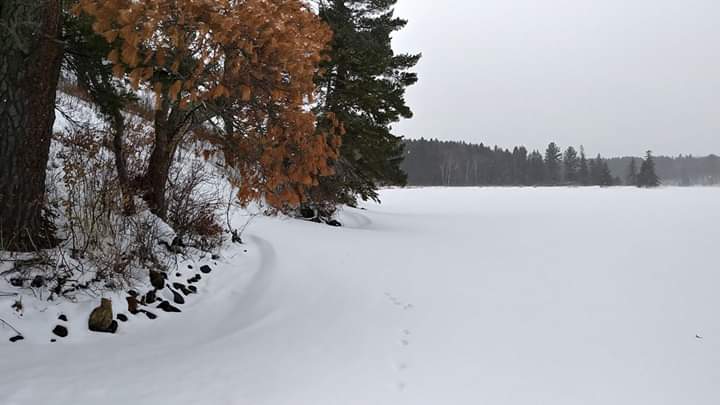
  8. X-C Skiing: Most people equate X-C Skiing to the nice groomed trails pictured in resort brochures, but it is an excellent way to go off- trailing and get away from the crowds. Ski’s, or snowshoes, offer the late season hunter a way to navigate in snow-country and are an extremely enjoyable way to get off-season exercise and learn new hunting areas.
  9. Bow-Making: Self-made bows can be a rewarding, simple, and creative way, to return to the roots of archery. If you enjoy Traditional Archery this might be the next step for you. Check out YouTube channels such as Clay Hayes for informative video’s on the world of self-made bows.
  10. Conservation: This is an area we all contribute too with the purchase of hunting and fishing licenses. But bringing conservation awareness to your personal lifestyle is a worthy and needed cause. You can start with reading classic writer’s such as John Muir and research the beginnings of the US Park System which was initiated with the vision of President Roosevelt. Your local preserves and parks most likely have volunteer opportunities. On a national scale, groups like Backcountry Hunters and Anglers are an organized, and thoughtful, affiliation that provides information and involvement through publications, regional and local gatherings, legislative work, and membership to support public lands.
  11. Wood-lore: Learning about your surroundings is just fun. What type of tree are you perched in for a hunt? Are those Fox, Fisher, or Raccoon tracks on the trail? What type of song-bird is keeping you company under the fall canopy? This study can also include survival tactics such as shelter building, wild food gathering, trapping, and fire-building.
  12. Deer Camp: There’s nothing like spending time with family and friends in a cabin, or camper, for a deer hunt. Gather some friends, do a little research, pool your resources, and see if you can turn a hunting commute in a hunting camp.
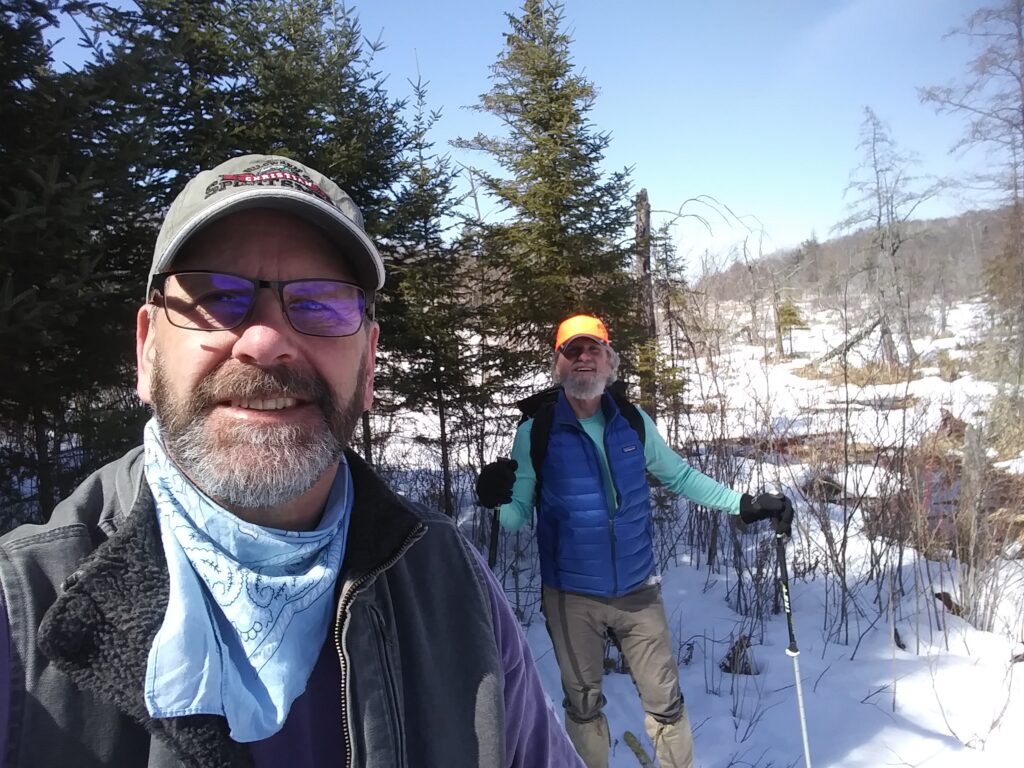
Off-Trailin the Tamarac Bogs of Northern Minnesota on our Skinny Ski’s

The term think outside the box is a popular phrase in today’s culture. We often get stuck in a hunting rut because that’s the way our Uncle’s or Dad did things. But for me, thinking outside the box with challenges like solo still-hunts with my rifle, versus deer drives or sitting in a stand blind all day, is what led me into bow hunting. Now, I take everything I learned as a youngster and apply it to a whole new world of archery adventure.

This list is not a comprehensive collection of all the activities a person can do in the outdoors or bow hunting. Nor does it provide a detailed, step-by-step, description with web-links or book references to satisfy questions you might have. Discovery is part of the fun, and there is a treasure of information out there for you to delve into. That’s where your journey begins. With just one or two of the suggestions I have listed, you can enhance your bow hunting experience and take it to new levels of enjoyment and satisfaction.

Peace,

Canoeing for Whitetails

Tamarac Lake, Northern Minnesota.

I have hunted my entire adult life for the elusive Whitetail but had not considered canoe-in hunting until I picked up a bow for archery season a few years ago. I was hooked. Water access adds a whole new dimension of adventure and stealth to the hunting experience. I began scouting canoe-in sites on my cross-country skis and before I recount my first outing, I want to offer some advantages to the boat-in approach.

Waterways allow the hunter to set up on the backside of hunting plots and get into areas that are nasty to enter from a trail. In this way busting brush is avoided and you can slip into locations bucks do not generally encounter hunters. This also reduces exposure to deer ticks. Often, you can hunt very close to the water which eliminates those long deer drags. Setting up along a shoreline also serves as hunting a water hole and helps you take advantage of a deer’s need for H2O. I have noticed that Whitetail’s use water structures as buffer zones from predator pressure so you can use this as an opportunity for getting close to deer when they feel safer. Setting up with a river or lake as a backdrop also guarantee’s that your hunting action will be in front of you and reduces being busted from behind, especially in a ground hunting scenario. The sheer fun of incorporating a paddle into the hunt brings a fresh element of adventure, solitude, and wilderness feel, that puts the Whitetail pursuit into a new category of hunting experience. I will add one note of caution. Do not underestimate the added safety concerns that go with canoe-in hunting and become a hunter news story. Always wear a life jacket and tie off your gear for the possibility of an unexpected capsize. Getting wet is one thing, but having to explain how your bow or rifle is at the bottom of a lake, assuming you survive the water, would be hard to live down!

The first canoe-in hunt is finally here.

The ratchet strap snapped off the canoe with a metallic ring as I unloaded my craft. I was parked on the Dike Road access, a quiet duck hunter’s landing on the south end of Tamarac Lake situated, on the Tamarac Wildlife Refuge in Becker County, Minnesota. It was mid-October and the sky was overcast with a gentile cross wind blowing out over the Wild Rice.

The quiet approach.

I had waited for this opportunity from the moment I discovered this enticing shoreline and the deer corridors it offered while scouting on cross country skis the previous winter. I drank in the excitement and recalled surprising a mature buck, walking out of a rain-soaked afternoon sit, several hundred yards up from the shore I was about to set up on. That thought, and the discovery of a buck bedding area near my canoe-in site, fueled my imagination of the possibilities for a water stalk.

Navigating to the distant point.

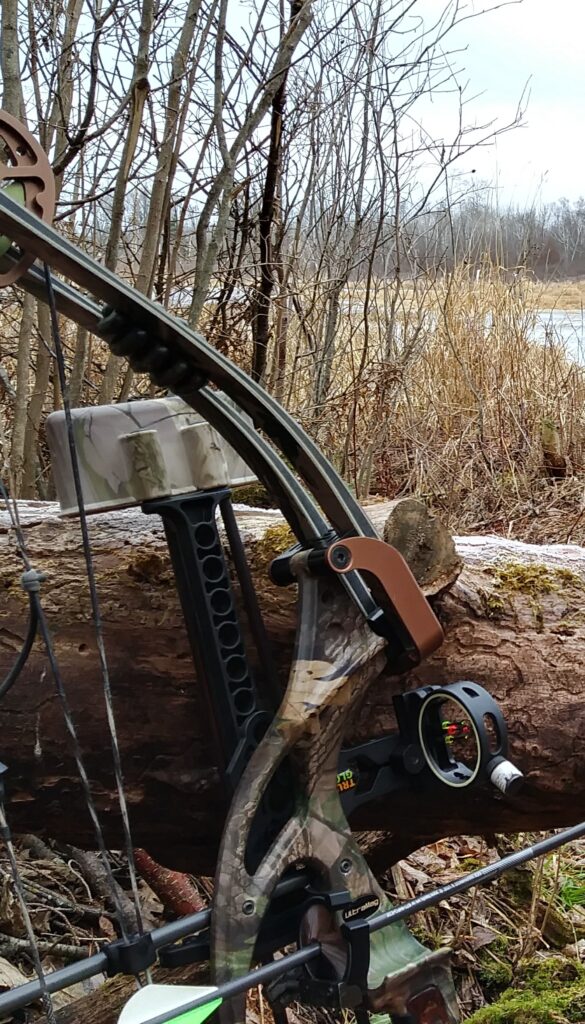
The forest was dark from my vantage point, yet inviting, and reeds scraped the canoes bottom as I floated past the buck bedding area I had discovered during preseason scouting. The solitude removed me from the present and transported me back in time. I could see a stand of Norway Pines materialize through a small point I paddled around. The sentinels bordered a field that held several Willow stands, sloughs, many crossing deer trails, and doe bedding spots. I directed my craft toward a fallen pine that laid along the heaved beach from years of lake ice doing it’s work of erosion. I tied off behind the cover of the collapsed timber, readied my gear, and slipped under the dead-fall into a natural ground blind I had brushed in cross-country skiing. With the lake a mere five yards behind me I felt hidden within the broken tree as I overlooked a deer trail that paralleled the water and another connecting path that ran along the meadow edge. Pines were scattered in my sight line and a wooded point to my left converged with the grass. I settled in for the next several hours and became an observer.

Soft rain drops increased to a steady offering. Beads of water clung to my bow and fell off my cap brim. The pines and meadow captured the descending darkness and turned the landscape into a shadow land. All was quiet except for the sound of water on earth, a symphony of woodland music. Forty minutes remained until shooting light was over, the soft rain increased, with no sign of the downpour letting up. The thought of tying down my canoe, drenched in the darkness, won out my decision-making process. I pushed off and watched my first canoe hunt site drift away as the wind pushed my craft into the deep.

The silent sentinel’s drift away.

The lake was alive. Thousands of droplets danced on the surface and tapped the bottom of my boat. The distant shore was shrouded with on-coming night and a sense of remoteness filled my heart and mind.  

I did not see a deer on my first canoe outing but I felt very satisfied and accomplished at the attempt. I knew this was just a first. I would be doing much more bow hunting by water.

Northern rain on a wilderness lake.

Peace

Summer Deer Scouting: Find the Transition Zones

The flies, wood ticks, and mosquitos can be brutal during a Minnesota summer, so warm weather scouting is only tolerable on those rare, cool, and breezy mid-summer days. An opportunity like I just described presented itself a couple weeks ago, and I was able to take advantage with an afternoon foray to explore one of my hunting areas better. In the following paragraph’s, I want to outline a scouting technique I use in the Northwood’s which should be applicable to any deer hunting area. That concept is to find the transition zones between bedding and feeding.

Zoomed in on a Whitetail during summer scouting.

I know the idea of finding transitions zones between bedding is deer hunting 101, so I want to target the big woods hunter who does not have the luxury of setting up between cover and corn. For the wilderness hunter who needs to figure out miles of forests and swampland, with no agriculture in sight, the task of narrowing down a feeding area can be a daunting task. The Whitetail tends to meander in deep woods structure, so understanding how to utilize good ambush points takes a little more work. That’s what I call finding the transition zones, and the heart of this article will discuss working two types of transition zones, pinch points, and natural meadows.

Because deer tend to move, like I stated, at a random pace in big public tracts, pinch points are a great way to hunt large areas and increase your chances of getting a bow or rifle shot off on a deer. A pinch point can consist of narrow land bridges between water structures, swamp edges, beaver dams, and hardwood ridges that provide easy travel routes between heavy cover for deer. One idea to keep in mind when hunting the back woods, is that unpressured deer, much like people, will take easy walking routes versus maneuvering through heavy cover. So, these pinch points, or transition zones in large forests, can funnel deer activity right past your stand, or ground blind, as your quarry moves from bedding to feeding areas.

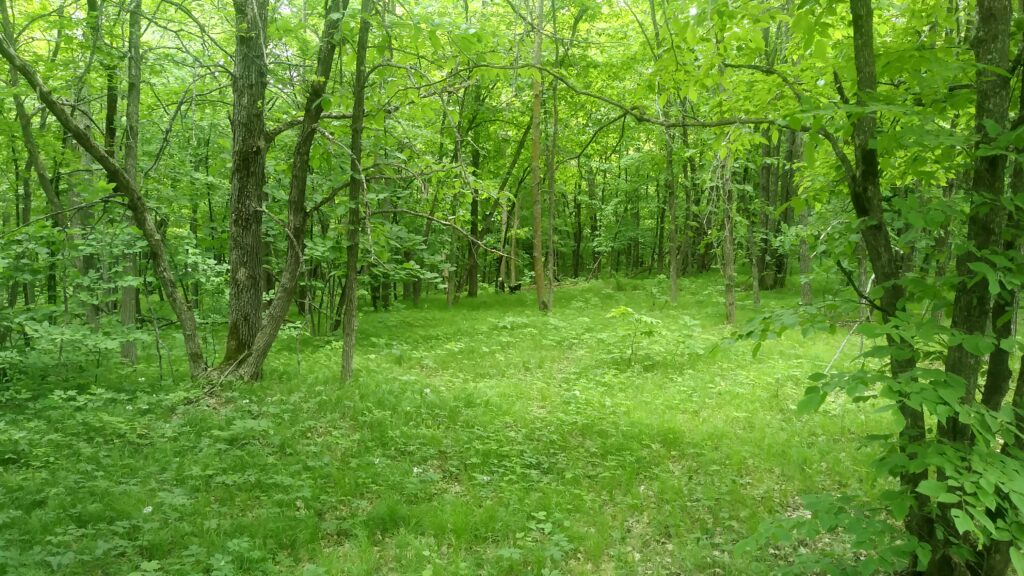
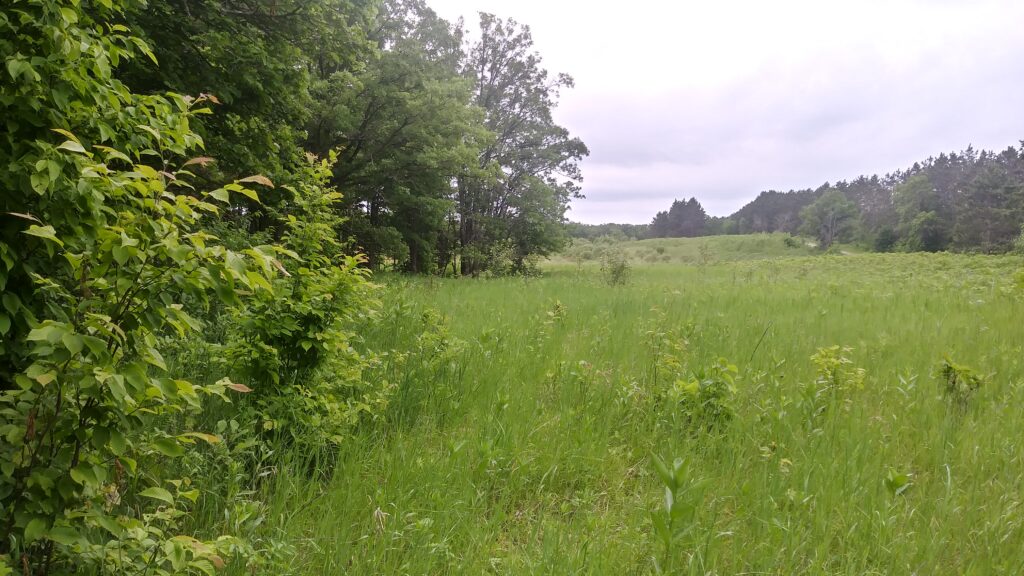
A transition zone leading from bedding to meadow.

The other type of structure I like to hunt is natural meadows. I have noticed on many occasions that lush, grassy, natural meadows are deer magnets. I use this to my benefit on the Tamarac Wildlife Refuge near my home. As I scout these non-agriculture fields, I will use my previous idea of pinch points to find where deer enter these feeding areas and locate a high percentage transition zone.

On my last scouting hike that I mentioned at the start of this writing, I found a transition zone which lead into a big natural meadow. As I walked a maintenance road, I spotted a lone deer several hundred yards out, grazing along a tree line. After the deer moved on, I found the pinch point it used to transition from thicker bedding areas, into its late afternoon feeding excursion. By employing the use of finding transition zones, my summer outing turned into a profitable summer deer scout. By using the strategies of finding pinch points, and natural field edges, you can narrow a large, intimidating piece of wilderness, into manageable transition zones that can lead to filling your tag. Happy scouting and much hunting success.

Natural meadows are deer magnets. I like to find deer access points and hunt the tree lines.

Peace

Rain Corn Doe

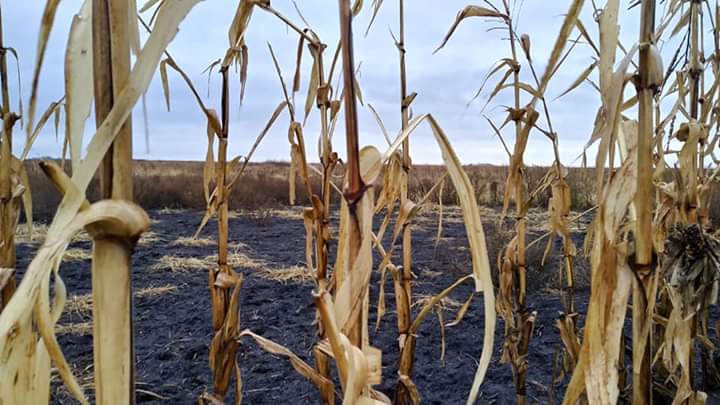
The plowed field was soft under my boots. I walked toward a stand of corn in farm country north of my home on a deserted country road. A clouded sky and light rain painted a lonesome landscape. The stalks, waiting for harvest, swayed and rustled in the breeze.

I enjoy bow hunting in the rain, many experienced hunters will confirm that it is a beautiful time to tag a mature Whitetail. I agree. There is a memorizing effect on the individual who ventures out in contrary weather. I cannot confirm this, but it has been my experience that for some reason, deer like to get out and move during inclement conditions. My hope was based on this thought as I made my way across a discked field to the edge of a corn planting I was sure held deer.

My hopes were not miss-lead. I skirted the edge of the field that butted up against a section of natural conservation grass which served as a popular bedding area. The corridor of rain-soaked earth between the crops and grass was a highway of deer activity. Well used trails connected the prairie reserve to the corn. I stopped often to watch, listen, and still-hunt my way to a prime location and set up my hunting stool in the watchful stalks. About one hundred yards in the rows thinned, creating a natural funnel into the main plot. I could tell by the increased sign that this was a feeding destination. The deer had been pulling the husks right off the plants. The hollow appeared to offer a sense of safety. I knew this was the place for an attempted ambush. I decided on a vantage point that offered a fifteen-yard shot toward the point of the funnel. The planting behind me was tall and healthy, while the rows in front of me were stunted, and tapered off, allowing ample cover with accessible shooting lanes.

I took on the form of a statue, a requirement, and practice of patience, for the ground hunter. The hundreds of hoof marks in the black soil filled with water, became tiny pools that rippled with each splash of rain. The movement of corn stalks and rain combined to create an orchestra of natures symphony. I watched the day slowly slip behind the steel gray of autumn sky and sharpened my focus after a two hour sit in the magical drizzle. It was that golden 30 minutes of daylight every hunter plans around.

With each beat of my heart I imagined a buck or mature doe cautiously making it’s way down the field edge. At this point, the moist ground worked against me as the deer would be utterly silent in the wet sod and could potentially walk right up without my knowledge. The anticipation was intense. With all the recent deer sign, I knew it was just a matter of time before things got exciting.

I fought to keep my composure during the last minutes of light. This is always the hardest part of the ground hunt. Everything in my body says move, stretch, re-position for a little more comfort. But I know staying rooted like a tree, and remaining motionless, is the key to success.

Then the atmosphere changed. A few feet over my right shoulder and only moments before a beautiful doe would have stepped into view, and my scent betrayed me. The wind swirled just slightly, or perhaps my camouflaged shape in the corn gave her pause, whatever the reason, the hunt was busted. The silence broke with a does blow and bounded off toward the safety of bedding in the conservation grass. I saw the big animal silhouetted against the prairie growth, trying to determine what I was. The rain was unbiased. It continued to lightly fall as I walked back along the waiting corn in the first minutes of night.

Peace

Perseverance Pays

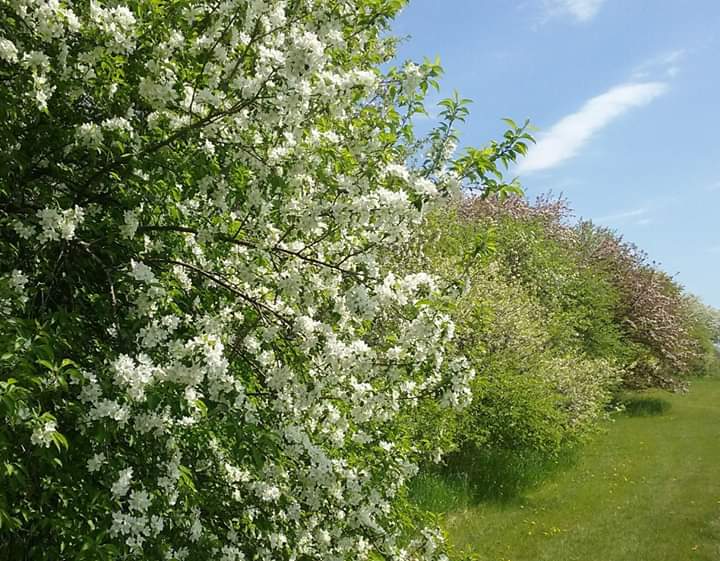
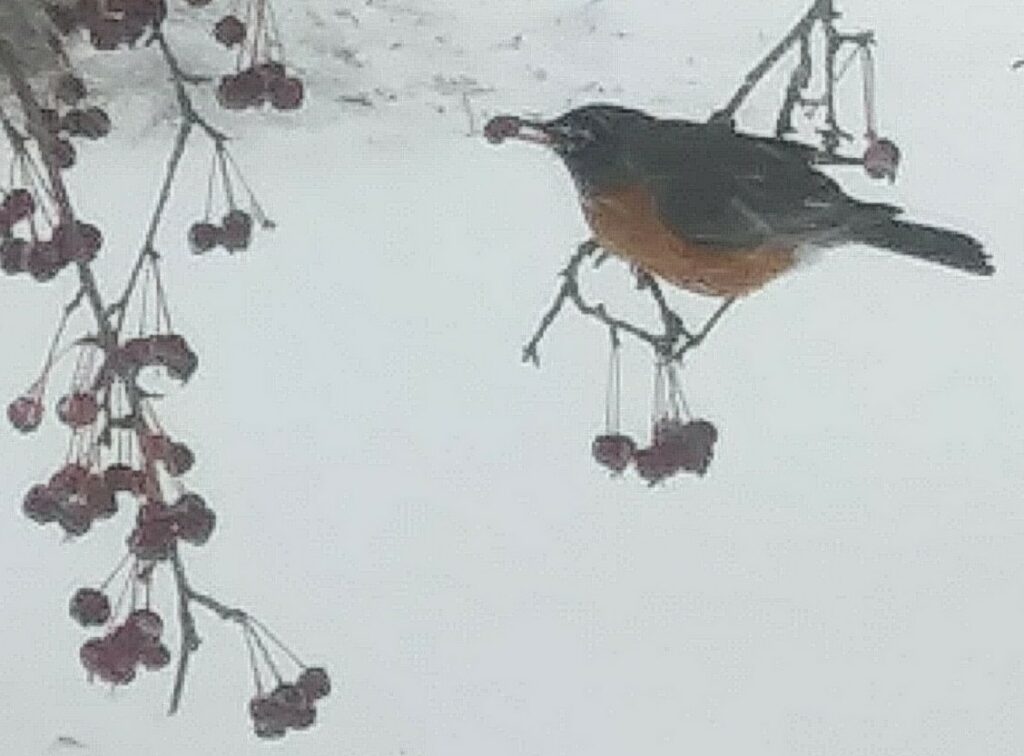
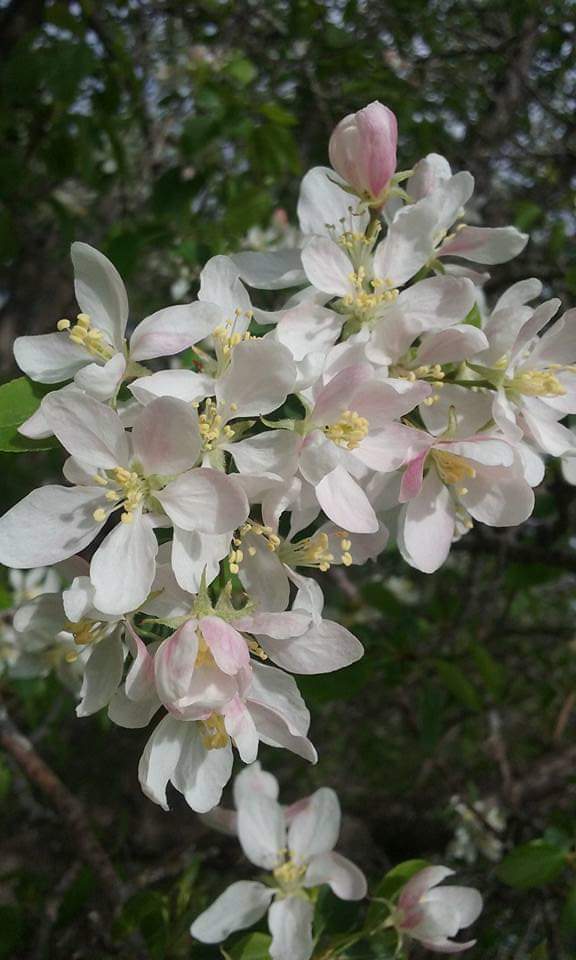
I have an apple orchard in my back yard that is a remnant of an old farmer who exercised some foresight.

Every fall and spring the migrating Robins and other song birds stop in to feast, and build their stamina, before continuing their journey. It’s inevitable that these little creatures get caught in a Minnesota snow storm en route to the nesting grounds, and this year was no different. As I sat tucked in behind the protective walls and windows of my home I could not help but feel some empathy, and respect, for the winged wanderers who braved the elements.

I have learned a great lesson from watching the yearly spectacle of bird migration unfold in my yard and the wilderness haunts I hike and hunt. That lesson is to keep on going and never give up.

The formula for success in life is simple really. Be consistent. You see, the returning melody makers, powerful Canadian Honkers, and all the other woodland creatures that make a living at survival have one thing in common, they press on and overcome hardships at all costs. The forest engineer constructs dams to create an environment of safety in its backed-up waterways, the eagle tirelessly tends to its aerie and gathers food for its young, the fawn is hidden under the protective care of its mama, and on the tale goes, each following the instincts instilled within them.

In a way, the birds and animals have an advantage over us Homo Sapiens when it comes to managing their time and putting all their energy into what they were created for. They don’t have distractions. That’s where the lessons they teach have practical application, to help us discover our motivations and keep at it.

I can apply the resilient consistency of the fragile songbird to my pursuits of archery and writing. There are days when I feel to tired, after a long work day, to sit and crunch out a few hundred words or step out when the weather is not favorable to keep my shooting form and accuracy intact. But then I think of the hardy Robin gathering those crab apples in the driving snow. I press into what I was wired to do. When the storm passes, and I am still practicing what I love, with the people I love, overcoming the daily hardships becomes well worth the effort.

What motivates you? Find your passions, work at them daily, and you will discover joy.

Peace

Late Season Outing

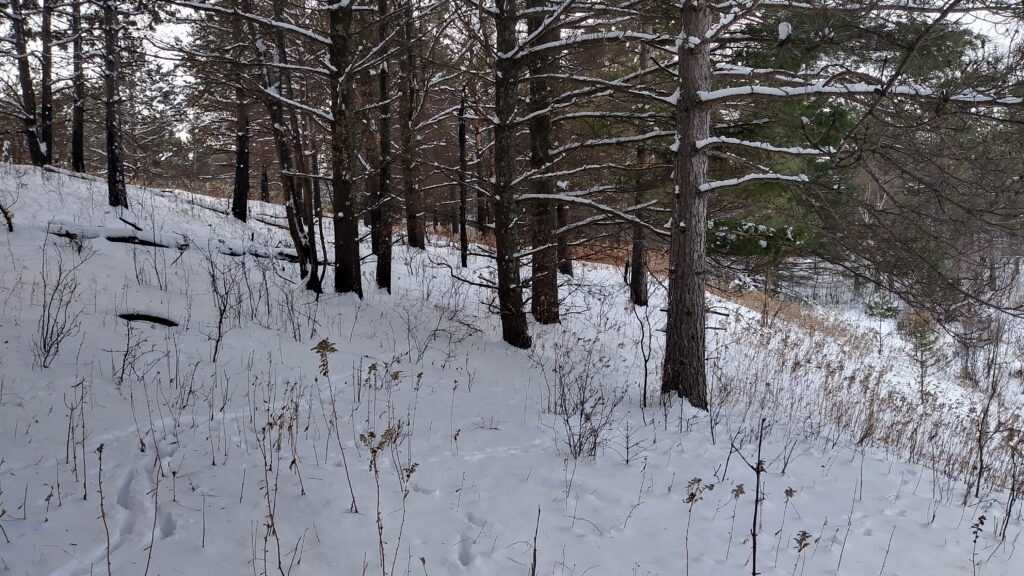
I was kept company by an occasional lonesome Crow, busy Woodpecker, and haunting winter wind. Snow clumps dropped, dissipating in a swirl from pines that towered over me.

Tucked in a stand of Norway’s, I watched a clearing which served as a well used feeding ground for area deer. It was an uneventful day with one flurry of adrenaline after hours of sitting. That is bow hunting.

Time slowed and a sense of natures patient but steady process filled my thinking. Here, there are no second chances, every day is an activity of survival for the woodland creatures that live in the vast winter expanse.

Eventually, daylight slipped and a massive Whitetail ambled down a distant hillside, out of bow range, a hundred yards out. Ten anxious minutes passed with futile attempts to draw the animal towards me using a few grunts from my call. With all shooting light gone, and the cold that follows a long sit gripping me, I gathered my gear, rose from my ground ambush, and slogged through the dark snow covered forest towards my waiting rig.

Another late winter outing before season’s close.

Peace